
Co-op
Co-op and multiplayer guides for Deep Dish Dungeon: setting up a session for up to three players, splitting roles and sharing resources so the party survives.
Introduction
Co-op is the way Deep Dish Dungeon was designed to be shared, and it changes the game more than it first appears. Online sessions support up to three players in total, and a party shares the same dungeon and the same camp, which means supplies, recipes and crafted gear are effectively communal. That single fact turns role specialisation from a nice idea into a real strategy: one player can specialise in cooking and crafting while others scout, fight and map, and a single good recipe or piece of gear then lifts the whole group at once. At the same time, co-op does not remove the pressure. Hunger, darkness and a tight backpack still apply to everyone, and a party that hoards instead of sharing ends up worse off than a solo player. This category covers setting up a session, splitting roles sensibly, sharing resources and communicating clearly so a two- or three-player team survives the floors that would stop an individual.
Party Roles & Why They Help
| Tier | Focus | Key Point |
|---|---|---|
| Cook | Stations, recipes, party meals | Lifts every member's stats at once |
| Crafter | Materials, gear, repairs | Equips the whole party from one workshop |
| Scout | Routes, shortcuts, landmarks | Turns long treks into short supply runs |
| Fighter | Enemy control, cover, retreats | Protects gathered loot and downed teammates |
| Quartermaster | Divides supplies, tracks backpack space | Prevents hoarding and duplicated gear |
Co-op Roles
Two-Player Party
The most common setup, and the one where each player carries several roles and communication matters most.
Three-Player Party
The full party, where genuine specialisation becomes possible and the group can cover cooking, crafting and fighting at once.
Role Split
The deliberate division of cooking, crafting, scouting and fighting so no single job is left undone halfway through a run.
Resource Sharing
The rule that makes a party stronger than its members, because shared camp resources multiply the effect of every find.
Voice & Pings
The practical coordination that turns a group into a team, especially for flagging traps, enemies and puzzle solutions.
Core Mechanics
Co-op in Deep Dish Dungeon runs on shared state. The party occupies the same dungeon, returns to the same camp and draws from the same stock of ingredients, meals and materials, which means the group's strength is the sum of what everyone contributes rather than an average of individual builds. That design rewards specialisation but punishes disorganisation. A party that agrees on roles can keep food, light and a route home running simultaneously, while a party that does not ends up with three players carrying the same duplicated gear and nobody with a spare torch. The survival pressures do not scale away either: hunger, darkness and the tight backpack apply to each member, and the deep-floor risk is shared. The result is a mode where communication is a genuine skill and where the most valuable player is often the one who stays organised rather than the one who fights hardest.
Advantages
The clearest advantage of co-op is that specialisation compounds. A dedicated cook turns the party's shared forage into meals that raise everyone's stats, and a dedicated crafter equips the whole group from a single workshop, so both roles multiply value instead of merely adding it. Because the camp is shared, one efficient player can lift the ceiling for a whole session. Co-op also makes the dungeon's harshest moments survivable, since a teammate can cover a retreat, revive a downed player or flag a hazard that another could not see, and the shared knowledge of shortcuts spreads quickly through a group. Perhaps most importantly, co-op preserves the planning that makes the game satisfying while removing some of its loneliness, so the tension of a deep-floor run becomes a shared story rather than a solitary one.
Challenges
Co-op demands coordination that not every group will bring, and an unorganised party can be worse off than a solo player. Hoarding is a common failure, since each member guards their own backpack while the shared camp runs dry, and duplicated gear wastes both space and materials that the group could have spent on essentials. A party also moves at the pace of its slowest member, which can frustrate players who want to push quickly, and decisions about how to spend shared resources can become genuinely awkward without an agreed protocol. The game does not automate any of this, so the party must manage roles, supplies and communication itself. And because the game is new, co-op balance and scaling details are still shifting between patches, so anything a community guide reports about party size or difficulty scaling should be read as provisional.
Frequently Asked Questions
How many players can join?+
Should we split roles or all do everything?+
How do we share resources fairly?+
Does difficulty scale with party size?+
Quick Tips
Agree roles before you descend, not during the run. A quick conversation at camp about who cooks, who crafts and who scouts saves far more supplies than it costs, and it prevents the common failure where three players carry the same gear and nobody brings a spare torch. Roles can be fixed; a run lost mid-descent cannot.
Bank materials at the shared camp instead of carrying them. Because every meal and tool benefits the whole party, hoarding actively weakens the group, and a full backpack also makes retreating harder for the member carrying the most. Let the cook and crafter allocate the common stock while everyone else travels light.
Call out shortcuts and landmarks the moment you find them, and mark them on a shared map whenever you can. Shared knowledge shortens everyone's trips, and a route one player discovers can save the others from hours of re-exploration. Treat mapping as a party activity rather than a personal one, and the whole group's supply runs get faster.
Keep the camp role rotating between sessions, and agree on the rotation before you descend. Cooking and crafting near camp is one of the most valuable jobs in co-op, but nobody wants to tend fires permanently. Rotating the specialist role keeps every player invested and spreads understanding of the recipe and material systems across the entire group.
Carry a spare torch and a spare meal, even if someone else seems to have supplies. Shared state does not mean shared inventory, and the player who runs dry in a deep corridor is the one who ends the session for everyone. Personal redundancy on essentials is the cheapest insurance a co-op party can buy.
Featured
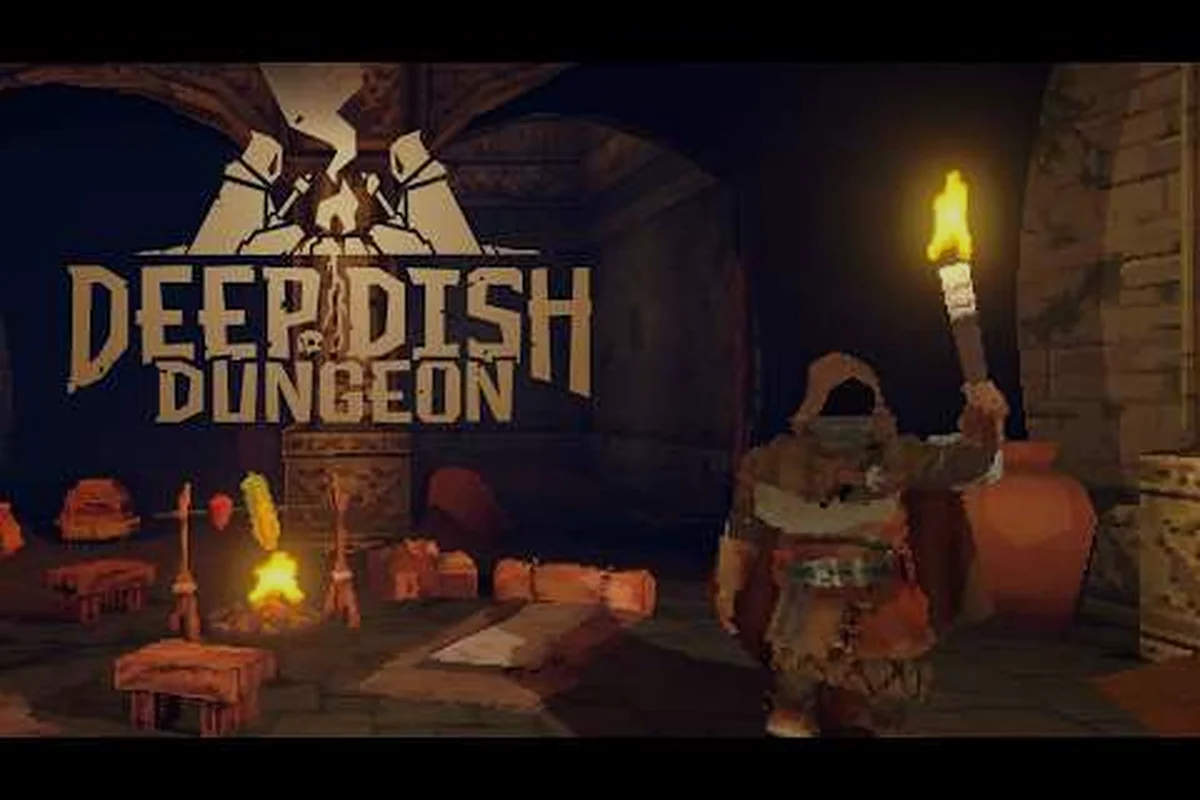
Deep Dish Dungeon Co Op Setup: 2 vs 3 Player Roles & Launch
Configure your Deep Dish Dungeon co op setup for two or three players, assign team roles, and follow launch steps that get every co-op run started without friction.
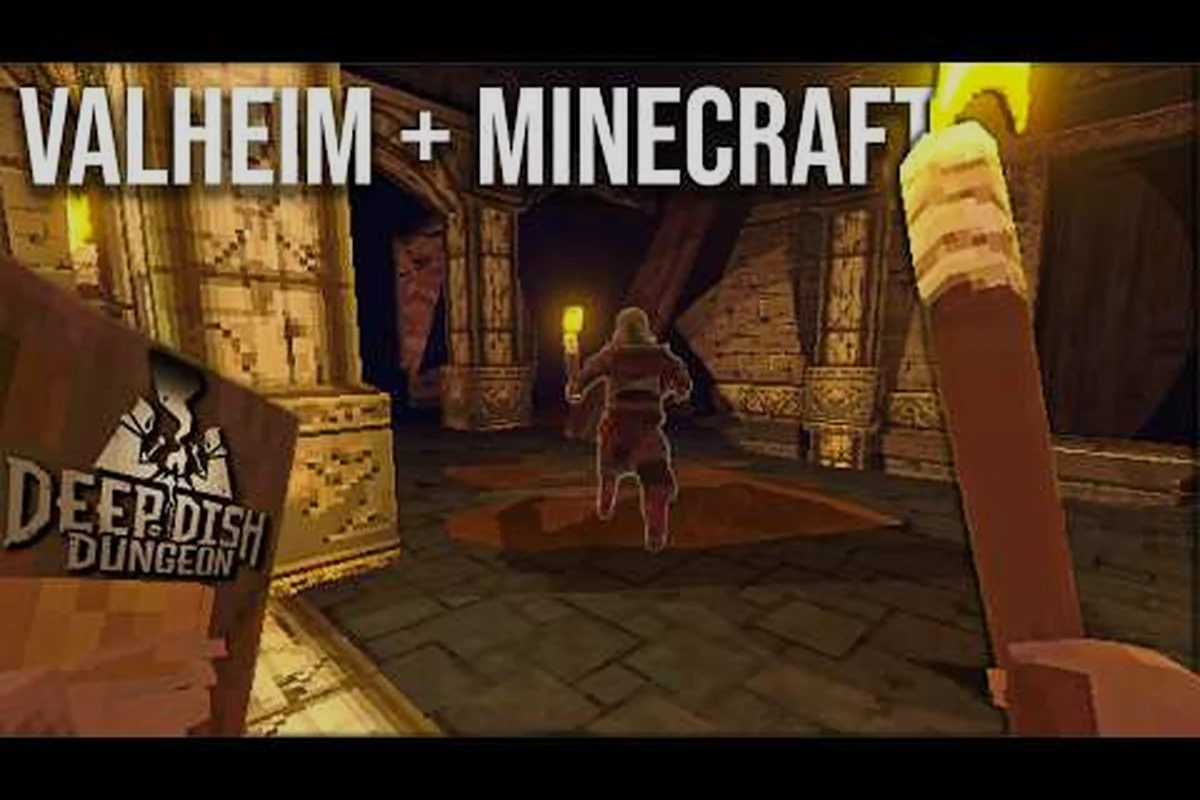
Deep Dish Dungeon Multiplayer Guide 2026: Co Op & Crossplay
Get the 2026 Deep Dish Dungeon multiplayer rundown — online co-op setup, crossplay support, beginner team strategy, and how cooperative play changes every run.
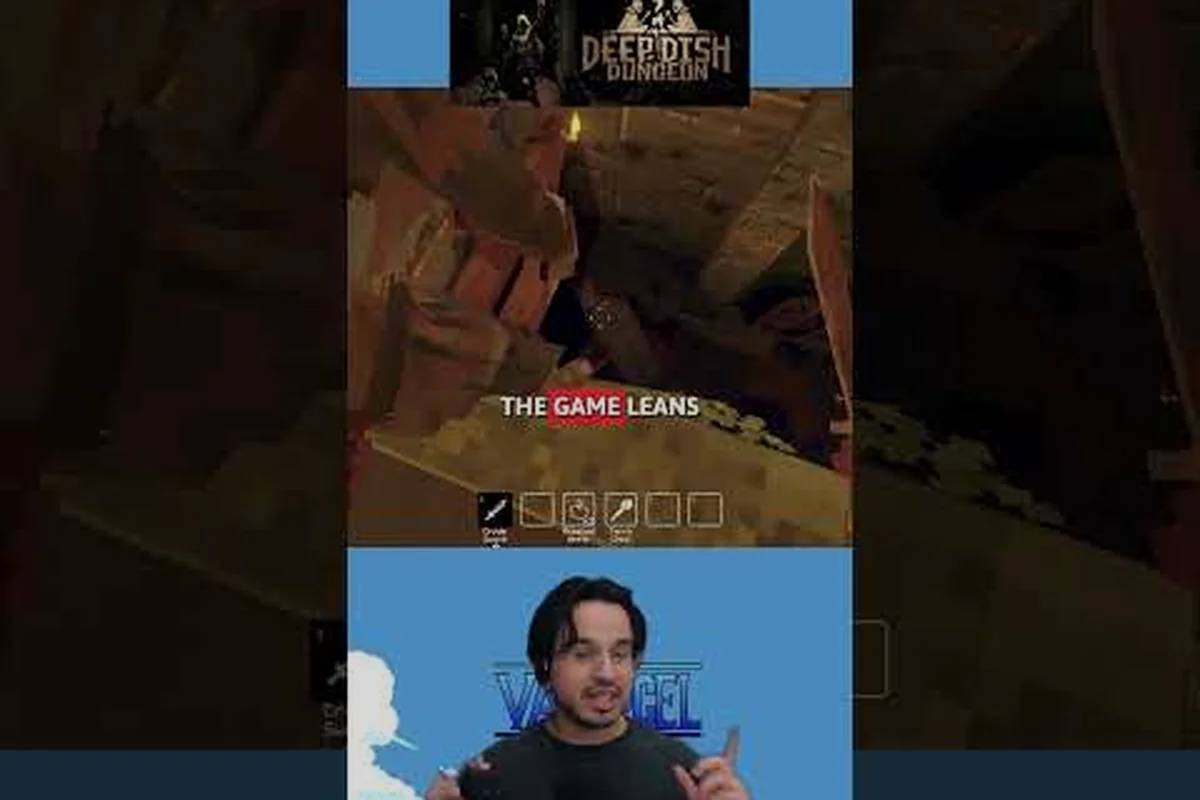
Deep Dish Dungeon Multiplayer Guide: Friends, Roles & Setup
Set up Deep Dish Dungeon multiplayer for two or three players, invite friends online, and learn the best co-op roles and strategy for every run.
All Articles
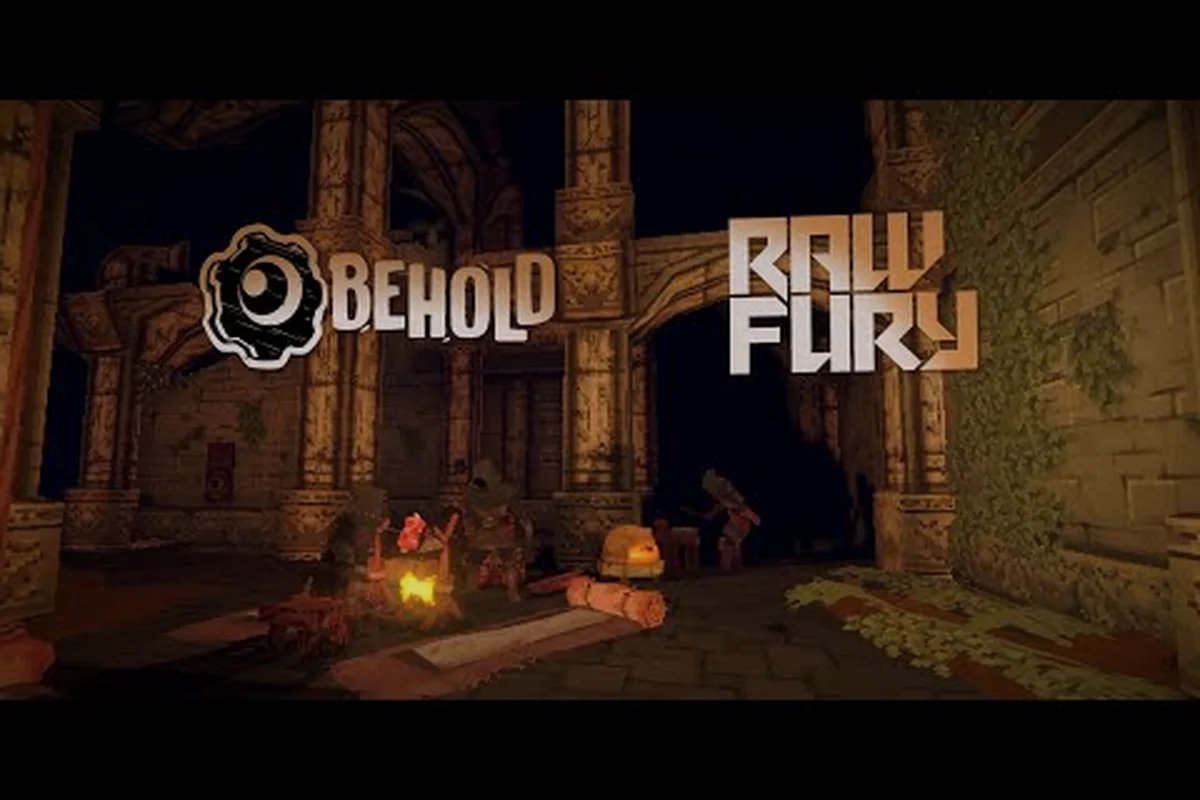
Deep Dish Dungeon Co Op Communication: Callouts, Pings & Roles
Learn Deep Dish Dungeon co op communication with ping callouts, chat shortcuts, and role callouts that keep two or three-player teams synced on every floor.
Deep Dish Dungeon Co Op Loot Sharing: Drops, Revives & Tips
Master Deep Dish Dungeon co op loot sharing with drop rules, revive mechanics, and resource split tips that keep your team stocked through every deep-floor run.
Deep Dish Dungeon Steam Multiplayer: Team Up & Split Roles
Set up Deep Dish Dungeon Steam multiplayer fast — learn how to team up, assign co-op roles, and coordinate camp survival with a friend online.