
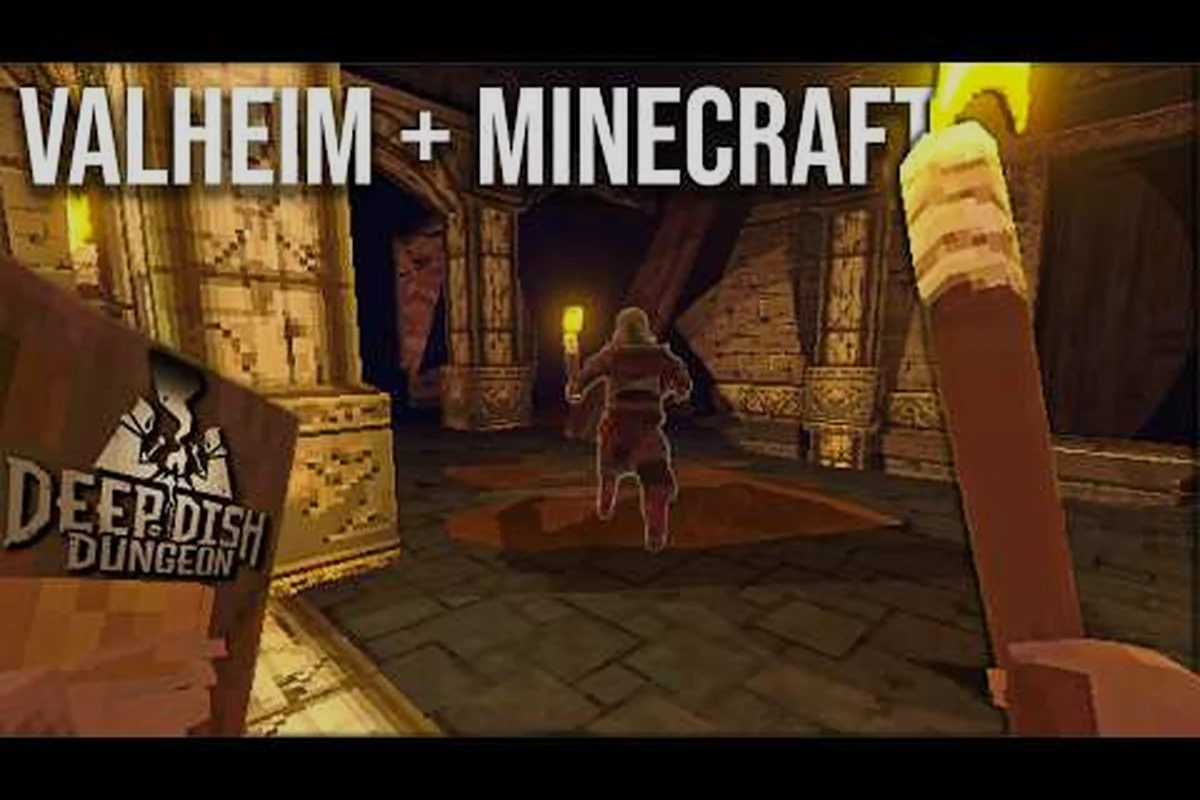
Cooperative play in Deep Dish Dungeon is a completely different experience from solo runs — enemy spawns scale to party size, loot tables widen, and the in-game camp becomes a tactical staging area. This 2026 deep dish dungeon multiplayer guide breaks down the latest online co-op setup, crossplay behavior, and team strategy that new and returning players actually need before queuing up. Whether you host the lobby or join a stranger's session, the fundamentals below will keep your party alive past the first boss.
Setting Up Online Co Op in Deep Dish Dungeon
Getting into a session takes less than a minute once you know where to look, but the menu layout has shifted between 2025 and 2026 patches. The team strategy you build around that lobby depends on understanding how the host's settings shape every other player's experience. The steam multiplayer breakdown covers platform-specific quirks in more detail, so the section below focuses on the universal flow.
Hosting vs Joining a Session
The host of a Deep Dish Dungeon online co op session controls three things everyone else must live with: difficulty preset, rest-cycle length, and whether PvP-friendly traps are enabled in shared rooms. Joining is free and unrestricted — you do not need a friend code, Discord handshake, or platform subscription to drop into another player's world.
| Setup Step | Host Action | Joining Player Action |
|---|---|---|
| Open main menu | Click Host Session | Click Join Session |
| Region picker | Choose Closest Region for lowest ping | Browse Public Lobby or paste Friend Code |
| Difficulty preset | Lock to Co Op Balanced before launch | Read lobby description for modifiers |
| Ready check | Wait for green Ready icon on every slot | Press Ready to enter the dungeon |
Most beginners stumble on the Co Op Balanced preset, which scales enemy HP and damage to 1.4× the solo baseline rather than the punishing 2.0× of Co Op Hardcore. If you are still learning the healer and tank roles, Balanced keeps mistakes recoverable. Hardcore is tuned for clans that have already memorized every boss tell, and it punishes reviving teammates more harshly.
Crossplay Support and Platform Pairing
Deep Dish Dungeon crossplay is fully enabled as of the 2026 Q1 patch, meaning Steam, Xbox Series, and PlayStation 5 players can join the same session without a separate invite bridge. The catch is that console accounts must link to a single cross-platform ID the first time the lobby screen loads — unlinked accounts will only see same-platform lobbies in the browser.
| Platform Pairing | Crossplay Works? | Notes |
|---|---|---|
| Steam ↔ Steam | Yes | Lowest input lag, easiest invites |
| Steam ↔ Xbox Series | Yes | Requires Link Account on first connect |
| Steam ↔ PS5 | Yes | Voice chat defaults to platform party |
| Xbox ↔ PS5 | Yes | Account link must be done on console dashboard |
| PC Game Pass ↔ Steam | No | Separate ecosystem, no shared lobbies |
According to community data, the smoothest crossplay experience still happens when the host is on Steam, because that platform leads the patch train by about three weeks. If a friend on Xbox is reporting visual bugs you cannot reproduce, ask them which build they are on — chances are they are still on a slightly older client.
How Co Op Changes Core Gameplay
Running the dungeon with even one partner rewrites the rules you learned in solo play. Aggro ranges roughly double, treasure chests spawn extra loot slots, and your character's Camp Power meter fills faster because every room clear counts as a co-op action. The 2026 update also introduced Shared Bounty markers, which appear when two or more players damage the same elite enemy within a 1.5-second window — these reward bonus XP and a small heal burst to the whole party.
Role Distribution in a Two Player Party
Deep Dish Dungeon team strategy gets the most mileage out of a frontline / backline split. Frontline characters soak damage, break line-of-sight, and pull enemies away from the healer; backline characters focus on ranged damage, support skills, and resurrection tokens. A balanced two-player comp is the easiest way to learn the cooperative play guide basics because role collision is rare.
| Role | Recommended Kit | Key Duty in Combat |
|---|---|---|
| Frontline (Tank) | Iron Stance passive, Sausage Shield relic | Hold chokepoints, mark enemy casts |
| Backline (DPS) | Quickstep Boots accessory, Spicy Trinket | Burst down priority targets, manage stamina |
| Backline (Healer) | Tomato Soup Charm, Revive Token x2 | Keep frontline above 60% HP, revive on cooldown |
| Flex | Pickle Juice Vial, Camping Manual | Swap based on boss phase transitions |
If you are running solo-style and the deep dish dungeon cooperative play guide still feels overwhelming, the beginner guide covers the solo-to-coop transition in more depth. Solo fundamentals like stamina management and trap disarmament carry over, but the timing windows tighten once another player is drawing enemy attention.
Role Distribution in a Three or Four Player Party
The game's lobby cap is four players, and once you cross three the role map opens up. A third player can comfortably take a dedicated CC role — crowd control — using Stun Lob consumables and the Garlic Aura skill tree branch. A fourth player usually fills either a second DPS slot or a Scout that runs ahead to mark trap locations and place waypoint flags.
| Party Size | Recommended Comp | Encounter Difficulty Multiplier |
|---|---|---|
| 2 players | 1 Tank + 1 Healer/DPS hybrid | 1.4× HP / 1.4× DMG |
| 3 players | 1 Tank + 1 DPS + 1 Healer | 1.7× HP / 1.6× DMG |
| 4 players | 1 Tank + 2 DPS + 1 Healer or Scout | 2.0× HP / 1.8× DMG |
A common mistake reported by players is over-stacking DPS in a four-player lobby. The 2.0× HP multiplier means a 4-DPS comp will simply run out of stamina before elite enemies fall, and the absence of a healer means one mistake snowballs into a wipe. Resist the urge to bring three damage dealers just because the lobby allows it.
Camp Mechanics That Matter in Co Op
The camp — Deep Dish Dungeon's home base between dungeon floors — is the single biggest differentiator between solo and co-op play. When you play online, the camp becomes a shared hub with two major changes: every player can spend from the Communal Larder, and the Camp Defense Event triggers automatically every 30 minutes instead of being optional.
Splitting Camp Responsibilities
In a two-player co-op, the optimal camp workflow splits into a builder and a gatherer. The builder focuses on upgrading Watchtowers, Storage Racks, and Healing Wells because these structures benefit the whole party. The gatherer runs supply runs into the dungeon to keep the Communal Larder stocked with Bread Rations and Meat Skewers, which feed the Camp Power meter.
| Camp Structure | Builder Time | Party Benefit |
|---|---|---|
| Watchtower | 8 minutes | Reveals enemy positions on the dungeon map for 90 seconds |
| Storage Rack | 4 minutes | Adds 20 inventory slots shared by the whole party |
| Healing Well | 12 minutes | Heals all camp defenders during Camp Defense Events |
| Trapper's Hut | 6 minutes | Auto-collects 1 trap per dungeon run from nearby rooms |
For a deeper look at layout optimization, the camp design ideas guide maps out which structures to prioritize on each floor. The short version: always build at least one Healing Well before the third floor, because the Camp Defense Event on that floor is the first one that can actually kill careless players.
Shared Loot Rules and Trade Etiquette
Loot in co-op drops on a Need vs Greed basis, but the rules are friendlier than most MMOs. Rare items drop in a shared chest that any party member can open for the first 10 seconds; after that window, the chest auto-assigns items to the player whose class benefits most. Unique Relics — Deep Dish Dungeon's equivalent of legendary items — always go to the player who dealt the most damage to the boss that dropped them, with ties broken by party order.
| Loot Tier | Distribution Rule | Tip |
|---|---|---|
| Common (white) | Free-for-all, instant pickup | Pass to whoever needs it for set bonuses |
| Rare (blue) | 10-second shared chest, then auto-assign | Communicate roles before the fight |
| Epic (purple) | Rolled to highest-need class | Tanks usually win armor, DPS win weapons |
| Unique Relic (gold) | Damage meter winner | Agree on role swaps before boss attempts |
The single most common co-op etiquette mistake, according to community reports, is ninja-looting a shared chest without announcing it. A simple "calling Spicy Trinket" in chat before opening the chest prevents nearly all the loot drama you will find in random lobbies. If you want a full breakdown of the trading rules and what happens when a player goes AFK mid-session, the co-op loot sharing guide covers the edge cases.
Beginner Team Strategy for First Runs
Players who treat their first co-op session as a learning run rather than a speedrun will progress twice as fast. The deep dish dungeon co op beginner guide philosophy is simple: pick two players, lock your roles before entering the dungeon, and commit to one full floor before swapping. Most new parties wipe because they keep changing their mind on the fly.
Communication and Pacing
Voice chat is not required, but it helps. The default ping system covers the basics — Danger Ping marks incoming elites, Loot Ping highlights chests, Group Up pulls the party back to a checkpoint. Use them liberally when running with strangers.
| Communication Method | Best For | Setup Cost |
|---|---|---|
| Voice chat (Discord, platform party) | Boss coordination, role swaps | Mic and a friend or open party |
| Default ping wheel | Quick callouts in random lobbies | Free, built in |
| Text chat | Long strategy discussion between floors | Free, slower than voice |
| Emote spam | Friendly lobbies, no serious strategy | Free, mostly cosmetic |
Pacing matters as much as communication. A common beginner mistake is to rush into a room before the tank has finished setting up Iron Stance. The damage output of the first 10 seconds after a pull is largely wasted while the tank scrambles to position, and the enemy might leap to the backline instead. Wait for the green Ready icon, then pull together.
Common Mistakes in Early Co Op
The first three floors of a fresh co-op run are the most dangerous because the difficulty multiplier has not yet been "earned" by the party's gear. New players tend to die to the same handful of patterns, and avoiding them is the easiest way to make it to the mid-game.
| Mistake | What Happens | Fix |
|---|---|---|
| Pulling before tank is ready | Enemy leaps to backline, healer gets bursted | Wait for Ready ping, then engage together |
| Ignoring Camp Power | Camp defense event wipes the base, lost structures | Restock larder every 2 floors |
| Burning revive tokens early | No tokens for the first real boss, automatic wipe | Save 1 token for the floor 3 mini-boss |
| Splitting for treasure | One player gets isolated, chain deaths follow | Stay within line-of-sight, agree on split points |
| Skipping trap disarmament | Random traps one-shot the backline, healer panic | Scout runs ahead and marks every pressure plate |
A good rule of thumb for a deep dish dungeon co op guide run: the first 30 minutes of any session should be spent in the camp and the first floor, not in the deep dungeon. Players who invest that opening time in camp upgrades and basic loot identification will reach the floor 5 boss with full resources, while a speedrun attempt usually ends in a wipe around floor 3.
Advanced Tips and 2026 Patch Notes
Once the basics feel comfortable, the 2026 update introduced two major changes that affect every long-running party. First, the Cross-Realm Lobby system now lets a single host bring in up to 8 spectators who can ping but not interact, which is great for streaming or coaching. Second, the Revive Token economy was rebalanced — tokens are now class-restricted, meaning a Tank can only pick up Tank Revive Tokens and a Healer only Healer Revive Tokens.
Patch Highlights for Co Op Players
| Patch Change | Impact on Co Op | Recommended Action |
|---|---|---|
| Cross-Realm Lobby (8 spectators) | Coaches can now guide new players live | Invite a mentor as a spectator on first runs |
| Class-restricted revive tokens | Healer cannot revive tank and vice versa | Carry spare tokens in storage, trade before boss |
| Shared Bounty markers (1.5s window) | Bonus XP for coordinated bursts | Practice simultaneous attacks on elites |
| Co Op Balanced preset rebalanced | Easier than original, harder than solo | Default for new parties |
| Voice chat ducking fix | Platform chat no longer overrides game audio | Re-enable in-game mic if you muted it earlier |
The class-restricted revive change has caught many veteran parties off guard. A two-player lobby where one player used to flex between tank and healer now needs to actually commit to a single class, because the spare token pile does not transfer. If your group still wants flexibility, run with three or four players so each class has dedicated revives in storage.
Building a Long-Term Party
Players who stick together across multiple sessions progress roughly three times faster than solo players, according to community tracking on the official Discord. The reason is simple: a coordinated party can clear Elite Hunt contracts that are mathematically impossible solo, and the rewards from those contracts fund the next run's camp upgrades.
| Party Goal | Realistic Timeline | Key Milestones |
|---|---|---|
| Reach floor 5 boss | 3-4 sessions, ~6 hours | Camp upgrades, class-locked gear sets |
| Clear first Elite Hunt contract | 8-10 sessions | Two tanks, one healer with Revive Token x3 |
| Unlock Hardcore Co Op preset | 15+ sessions | Every player with full epic-tier gear |
| Speedrun attempt under 90 minutes | 25+ sessions | All players with Quickstep Boots and Trapper's Hut mastery |
The long-term arc is less about raw skill and more about consistent scheduling. Parties that block out a two-hour window every week tend to out-progress highly skilled but irregular groups by a wide margin, simply because they are running the same dungeon layouts and learning each other's tells.
Frequently Asked Questions
Does Deep Dish Dungeon support crossplay between PC and console in 2026?
Yes, the 2026 Q1 patch enabled full crossplay between Steam, Xbox Series, and PlayStation 5. Both players need to link their accounts to a cross-platform ID the first time they connect, and the host's platform usually gets the smoothest experience because it leads the patch train by a few weeks. According to community data, the lowest input lag still happens between two Steam players.
What is the maximum party size for online co op?
The lobby cap is four active players, plus up to eight Cross-Realm spectators as of the 2026 update. Spectators can ping the map and watch the run but cannot pick up loot or deal damage, so they are best used for coaching and streaming. If you want to run with five or more active players, the game simply does not support it — split into two parties instead.
How do I revive a teammate who goes down?
Each class carries a class-specific Revive Token that drops from elite enemies. Walk to the downed player's body, hold the interact button for 4 seconds, and the token is consumed to bring them back at 30% HP. If you are out of tokens, the only other option is to clear the current room and let the downed player respawn at the last checkpoint with no gear.
What should beginners focus on in their first co op session?
The deep dish dungeon co op beginner guide philosophy is to spend the first 30 minutes in camp, not in the dungeon. Build at least one Healing Well and one Storage Rack, stock the Communal Larder with 10 bread rations, and agree on roles before the first pull. Rushing into floor 1 with a half-built camp is the single most common cause of a first-session wipe.
Is cross-progression available, or is progress locked to one platform?
Cross-progression is supported as of the 2026 update, but only after you link your platform account to a Deep Dish Dungeon ID on the official site. Once linked, your character, inventory, and camp upgrades sync between platforms within a few minutes. If you played before linking, older save data can be migrated once, but only in the same direction the link is initiated.